
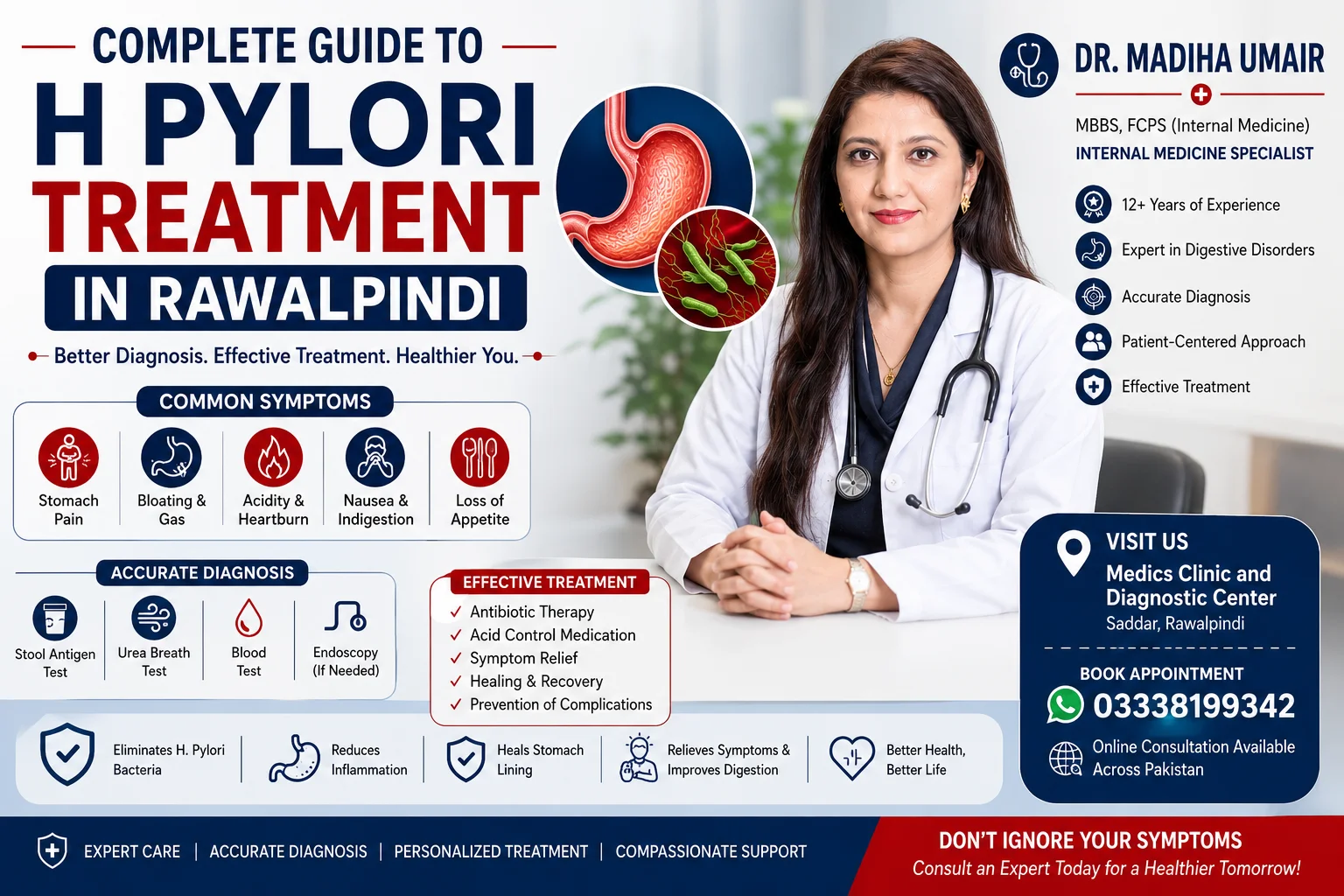
Why Persistent Stomach Problems Should Never Be Ignored
Many people experience digestive symptoms such as bloating, acidity, stomach discomfort, nausea, or indigestion and assume these issues are caused by dietary habits or stress. While that may sometimes be true, recurring digestive complaints can also indicate an infection known as Helicobacter pylori, commonly called H. pylori.
If you are searching for effective H pylori treatment in Rawalpindi, understanding the infection is the first step toward improving your digestive health. H. pylori is one of the most common bacterial infections affecting the stomach and is recognized worldwide as a major cause of chronic gastritis and peptic ulcer disease.
Dr Madiha Umair provides comprehensive assessment and management for patients suffering from digestive symptoms related to H. pylori infection. Her goal is to identify the underlying cause of symptoms and create a personalized treatment plan based on current medical guidelines.
Meet Dr Madiha Umair
| Details | Information |
|---|---|
| Name | Dr Madiha Umair |
| Qualification | MBBS, FCPS (Internal Medicine) |
| Specialty | Internal Medicine |
| Experience | More than 12 Years |
| Clinic | Medics Clinic and Diagnostic Center |
| Location | Saddar, Rawalpindi |
| WhatsApp Appointment | 03338199342 |
| Online Consultation | Available |
| In-Person Consultation | Available |
Understanding H. Pylori Infection
H. pylori is a bacterium that lives in the lining of the stomach. Unlike many bacteria that cannot survive in an acidic environment, H. pylori has developed unique mechanisms that allow it to thrive inside the stomach.
Once present, the bacteria may trigger inflammation and gradually damage the protective lining of the stomach. This can lead to symptoms that range from mild discomfort to significant digestive problems.
Many patients seeking H pylori treatment in Rawalpindi are unaware that their symptoms may have been developing slowly for months or years.
Common Symptoms Associated With H. Pylori
The symptoms of H. pylori infection can vary considerably between individuals.
Frequently reported symptoms include:
Persistent Stomach Pain
Patients often describe a burning or aching sensation in the upper abdomen.
Frequent Bloating
Excessive bloating after meals is a common complaint among individuals with digestive disorders.
Recurrent Acidity
Many patients experience recurring acidity despite taking over-the-counter medications.
Indigestion
Feeling uncomfortable after eating, particularly after normal-sized meals, may indicate an underlying digestive problem.
Nausea
Some individuals report ongoing nausea that interferes with daily activities.
Reduced Appetite
Changes in appetite may occur as inflammation affects normal digestion.
Why Patients Delay Seeking Treatment
One of the biggest challenges associated with H. pylori infection is that symptoms often develop gradually. Many people self-medicate with antacids or home remedies without investigating the root cause.
As a result, patients frequently visit an H pylori doctor in Rawalpindi only after symptoms become more severe or persistent.
When Should You Consult a Specialist?
Medical evaluation is recommended if you experience:
- Repeated episodes of acidity
- Ongoing bloating
- Chronic indigestion
- Stomach pain lasting several weeks
- Unexplained nausea
- Loss of appetite
- Symptoms affecting quality of life
Seeking professional H pylori treatment in Rawalpindi can help identify the cause of symptoms and prevent future complications.
Dr Madiha Umair offers consultations at Medics Clinic and Diagnostic Center, Saddar Rawalpindi. Patients can also schedule online consultations through WhatsApp at 03338199342, making expert digestive health care accessible from anywhere in Pakistan.
How H. Pylori Infection Spreads and Why Accurate Diagnosis Matters
One of the reasons H. pylori infection remains common is that many individuals do not realize how easily the bacteria can spread. In some cases, people carry the infection for years without obvious symptoms, while others develop persistent digestive complaints that significantly affect their daily lives.
Patients seeking H pylori treatment in Rawalpindi often ask how they became infected and whether the condition can be prevented. Understanding transmission, risk factors, and diagnostic methods can help patients make informed healthcare decisions.
How Does H. Pylori Spread?
H. pylori infection is believed to spread through direct or indirect contact with contaminated sources. Although transmission methods can vary, common routes include:
Contaminated Food
Food prepared under poor hygienic conditions may carry harmful bacteria, including H. pylori.
Contaminated Water
Unsafe drinking water can increase exposure to stomach infections and digestive illnesses.
Person-to-Person Contact
Close contact with infected individuals may contribute to bacterial transmission within households.
Poor Hand Hygiene
Failure to wash hands properly after using the restroom or before eating can increase infection risk.
Many patients who later seek H pylori treatment in Rawalpindi may not recall a specific source of infection because exposure often occurs years before symptoms appear.
Who Is at Greater Risk?
While anyone can develop H. pylori infection, certain factors may increase the likelihood of exposure.
Crowded Living Conditions
Living in densely populated households can increase the risk of transmission.
Limited Access to Clean Water
Communities with poor sanitation infrastructure may have higher infection rates.
Family History of Infection
Household exposure can contribute to the spread of H. pylori among family members.
Long-Term Digestive Symptoms
Patients with persistent digestive complaints should consider professional evaluation to determine whether H. pylori may be contributing to their symptoms.
Consulting an experienced H pylori doctor in Rawalpindi can help clarify risk factors and guide appropriate testing.
Why Proper Diagnosis Is Essential
Many digestive conditions share similar symptoms. Acidity, gastritis, acid reflux, food intolerance, ulcers, and H. pylori infection can all produce overlapping complaints.
For this reason, treatment should never be based solely on symptoms.
Patients pursuing H pylori treatment in Rawalpindi benefit from accurate diagnosis because it allows physicians to:
- Identify the actual cause of symptoms
- Select appropriate treatment
- Avoid unnecessary medications
- Monitor treatment success
- Reduce the risk of complications
Diagnostic Tests Used for H. Pylori
Several medical tests may be recommended depending on the patient’s clinical situation.
Stool Antigen Test
This test helps detect active H. pylori infection by identifying bacterial proteins in the stool.
It is commonly used for:
- Initial diagnosis
- Follow-up testing after treatment
Urea Breath Test
The urea breath test is considered one of the most reliable methods for detecting active infection.
Many specialists use this test because of its high accuracy.
Blood Testing
Blood tests may identify antibodies associated with H. pylori exposure. However, they may not always distinguish between current and previous infection.
Endoscopy
Patients with severe symptoms, bleeding, ulcers, unexplained weight loss, or persistent digestive complaints may require endoscopic evaluation.
This procedure allows direct examination of the stomach lining and may provide additional diagnostic information.
An experienced H pylori doctor in Rawalpindi can determine which investigation is most appropriate for each patient.
Who Should Consider Testing?
Testing may be recommended for individuals who experience:
- Chronic stomach pain
- Recurrent acidity
- Persistent bloating
- Frequent indigestion
- Nausea
- History of stomach ulcers
- Unexplained digestive symptoms
Seeking timely H pylori treatment in Rawalpindi can help identify the cause of symptoms before complications develop.
Frequently Asked Questions
Can H. pylori infection exist without symptoms?
Yes. Some individuals carry the bacteria without noticeable digestive complaints.
Is acidity always caused by H. pylori?
No. Acidity may result from several conditions, including acid reflux disease, dietary habits, gastritis, and H. pylori infection.
Can H. pylori infection be detected through routine examination?
Specialized testing is generally required to confirm the diagnosis.
When should I visit an H pylori doctor in Rawalpindi?
You should seek medical evaluation if digestive symptoms persist, worsen, or repeatedly return despite treatment.
Dr Madiha Umair provides comprehensive digestive health assessment and personalized care for patients seeking H pylori treatment in Rawalpindi. Consultations are available at Medics Clinic and Diagnostic Center, Saddar Rawalpindi, and online through WhatsApp at 03338199342.
Early diagnosis is often the first step toward lasting symptom relief and better digestive health.
Modern Treatment Options for H. Pylori Infection and What Patients Should Know
Once H. pylori infection has been confirmed, the next step is creating a treatment plan that targets the bacteria while supporting healing of the stomach lining. Today, medical advances have made treatment highly effective for most patients when diagnosed early and managed appropriately.
Individuals seeking H pylori treatment in Rawalpindi often want to know how long treatment takes, whether symptoms will improve quickly, and what they can do to support recovery. Understanding the treatment process can help patients stay committed to their care plan and achieve better outcomes.
The Main Objectives of Treatment
Treatment is designed to achieve several important goals:
- Eliminate H. pylori bacteria
- Reduce stomach inflammation
- Relieve digestive symptoms
- Heal stomach lining damage
- Lower the risk of ulcers
- Improve digestive function
- Prevent future complications
Patients who receive timely H pylori treatment in Rawalpindi often experience significant improvement in their symptoms and overall quality of life.
Why Individualized Treatment Is Important
No two patients are exactly alike. Factors such as age, symptom severity, medical history, previous medication use, and existing digestive conditions can influence treatment decisions.
This is why consultation with an experienced H pylori doctor in Rawalpindi is important. A personalized treatment approach helps ensure that patients receive care tailored to their unique needs.
Components of H. Pylori Treatment
Treatment commonly involves a combination approach rather than a single medication.
Antibiotic Therapy
Antibiotics are used to eliminate the bacteria responsible for the infection.
Using the correct treatment strategy helps improve the chances of successful eradication.
Acid Control Therapy
Reducing stomach acid allows inflamed tissues to heal more effectively and can also improve treatment effectiveness.
Symptom Management
Some patients may require additional support for symptoms such as nausea, indigestion, bloating, or abdominal discomfort during recovery.
Why Completing Treatment Is Critical
One of the most important messages for patients undergoing H pylori treatment in Rawalpindi is the need to complete the entire prescribed treatment course.
Stopping medication early may:
- Reduce treatment effectiveness
- Allow bacteria to survive
- Increase the risk of recurrence
- Contribute to antibiotic resistance
Even if symptoms improve quickly, patients should continue treatment exactly as advised by their physician.
Recovery Timeline
Patients often ask how long it takes to feel better after beginning treatment.
The answer varies depending on:
- Duration of infection
- Severity of inflammation
- Presence of ulcers
- Individual healing response
- Adherence to treatment
Many individuals notice gradual symptom improvement within a few weeks, although complete healing may require additional time.
Patients seeking H pylori treatment in Rawalpindi should understand that recovery is a process and that follow-up care may be necessary.
Dietary Habits That Support Recovery
Although medication remains the primary treatment, healthy eating habits may help reduce digestive discomfort during recovery.
Focus on Balanced Nutrition
A diet containing:
- Fresh vegetables
- Fruits
- Lean protein sources
- Whole grains
- Adequate hydration
can support overall digestive health.
Avoid Personal Trigger Foods
Some patients find that certain foods temporarily worsen symptoms.
Common triggers may include:
- Very spicy meals
- Excessively greasy foods
- Large meals
- Carbonated beverages
- Excess caffeine
Because triggers differ among individuals, dietary advice should be personalized.
Lifestyle Measures for Better Digestive Health
In addition to medical treatment, patients may benefit from:
Regular Meal Timing
Consistent meal schedules may help reduce digestive discomfort.
Adequate Sleep
Quality sleep supports healing and overall health.
Stress Management
Although stress does not cause H. pylori infection, it may worsen digestive symptoms in some individuals.
Avoiding Tobacco Use
Smoking can negatively affect stomach healing and digestive health.
Importance of Follow-Up Evaluation
Following treatment, some patients may require additional assessment to confirm successful eradication of the infection.
Follow-up recommendations depend on:
- Initial severity
- Treatment response
- Persistent symptoms
- Medical history
A qualified H pylori doctor in Rawalpindi can determine the most appropriate follow-up strategy.
Dr Madiha Umair provides comprehensive care for patients seeking H pylori treatment in Rawalpindi, including diagnosis, treatment planning, symptom management, and long-term follow-up. Patients can visit Medics Clinic and Diagnostic Center, Saddar Rawalpindi, or schedule an online consultation through WhatsApp at 03338199342.
Taking action early can help patients regain digestive comfort and reduce the likelihood of future complications.
The Risks of Delaying H. Pylori Treatment and How to Protect Your Digestive System
Many people continue living with digestive symptoms for months or even years before seeking medical advice. Because symptoms such as acidity, bloating, nausea, and stomach discomfort can come and go, patients often underestimate the potential impact of H. pylori infection.
However, delaying H pylori treatment in Rawalpindi may allow ongoing inflammation to affect the stomach lining and increase the risk of future digestive complications. Early diagnosis and appropriate medical management remain the most effective way to protect long-term digestive health.
Why Does Untreated H. Pylori Cause Problems?
The stomach lining is designed to protect itself from powerful digestive acids. When H. pylori bacteria settle within this protective layer, they can trigger persistent inflammation.
Over time, this inflammation may:
- Irritate stomach tissues
- Reduce the effectiveness of natural protective mechanisms
- Increase sensitivity to stomach acid
- Affect digestion
- Contribute to ulcer formation
Patients who consult an experienced H pylori doctor in Rawalpindi often discover that their long-standing digestive complaints are linked to chronic inflammation caused by this infection.
Chronic Gastritis and Ongoing Digestive Symptoms
One of the most common consequences of untreated infection is chronic gastritis.
Chronic gastritis may result in:
Persistent Bloating
Many patients experience discomfort and abdominal fullness after meals.
Recurrent Indigestion
Digestive symptoms may continue despite dietary modifications and home remedies.
Burning Stomach Sensation
Inflammation can cause recurring upper abdominal discomfort.
Reduced Appetite
Some individuals lose interest in eating because of ongoing digestive symptoms.
Seeking H pylori treatment in Rawalpindi early may help reduce inflammation and improve digestive function.
Peptic Ulcer Disease
H. pylori infection is one of the leading causes of peptic ulcers worldwide.
Ulcers may develop in:
- The stomach
- The upper portion of the small intestine
Common symptoms include:
- Burning abdominal pain
- Pain between meals
- Night-time stomach discomfort
- Nausea
- Digestive distress
An experienced H pylori doctor in Rawalpindi can evaluate symptoms and determine whether further testing is necessary.
Warning Signs That Require Immediate Medical Attention
Although many cases remain uncomplicated, certain symptoms require urgent evaluation.
These include:
- Black stools
- Vomiting blood
- Severe abdominal pain
- Unexplained weight loss
- Persistent vomiting
- Difficulty swallowing
- Severe weakness
Patients experiencing these symptoms should seek immediate medical care.
How H. Pylori Affects Daily Life
Digestive symptoms do not only affect the stomach. Many patients report a significant impact on their overall well-being.
Long-term symptoms may contribute to:
- Reduced work performance
- Poor concentration
- Disturbed sleep
- Increased stress
- Reduced physical activity
- Lower quality of life
Receiving timely H pylori treatment in Rawalpindi can help restore comfort and improve overall health.
Can H. Pylori Infection Be Prevented?
While complete prevention is not always possible, several measures may help reduce risk.
Maintain Good Hygiene
Regular hand washing remains one of the most effective preventive strategies.
Drink Safe Water
Using clean drinking water may help reduce exposure to harmful bacteria.
Practice Food Safety
Proper food preparation and storage are important for digestive health.
Seek Early Medical Advice
Persistent digestive symptoms should not be ignored or repeatedly treated without proper diagnosis.
Frequently Asked Questions
Can H. pylori infection return after treatment?
Most patients recover successfully after treatment, but follow-up care is important when symptoms persist or recur.
Is bloating a common symptom of H. pylori?
Yes. Many patients diagnosed with H. pylori infection report bloating as one of their main symptoms.
Can H. pylori infection cause nausea?
Yes. Ongoing nausea may occur in some patients due to stomach inflammation.
Should every patient with acidity be tested?
Not necessarily. A physician can determine whether testing is appropriate based on symptoms, medical history, and risk factors.
Why Choose Dr Madiha Umair?
Patients searching for trusted H pylori treatment in Rawalpindi often choose Dr Madiha Umair because of her thorough diagnostic approach and commitment to patient-centered care.
As a highly experienced H pylori doctor in Rawalpindi, Dr Madiha Umair focuses on identifying the underlying cause of symptoms and creating individualized treatment plans based on current medical evidence.
Consultations are available at Medics Clinic and Diagnostic Center, Saddar Rawalpindi, with online consultation options available through WhatsApp at 03338199342 for patients throughout Pakistan.
Expert H. Pylori Care in Rawalpindi: Taking the Next Step Toward Better Digestive Health
Digestive symptoms are often dismissed as minor inconveniences, but persistent stomach discomfort should never be ignored. Chronic acidity, bloating, indigestion, nausea, and abdominal pain can significantly affect daily life and may indicate an underlying condition that requires medical evaluation.
For patients looking for professional H pylori treatment in Rawalpindi, early diagnosis and evidence-based management can make a meaningful difference in both symptom relief and long-term digestive health. The sooner the infection is identified, the sooner appropriate treatment can begin.
Why Early Medical Evaluation Is Beneficial
Many patients spend months trying different medications without receiving a clear diagnosis. While temporary symptom relief may occur, the underlying infection often remains untreated.
Seeking H pylori treatment in Rawalpindi at an early stage can help:
- Identify the root cause of digestive symptoms
- Reduce chronic inflammation
- Improve stomach health
- Lower the risk of ulcer formation
- Improve nutritional well-being
- Enhance quality of life
- Prevent unnecessary suffering
What Makes a Good H. Pylori Treatment Plan?
Successful management involves more than prescribing medication. A comprehensive treatment strategy should include:
Accurate Diagnosis
The correct diagnosis is the foundation of effective treatment.
Individualized Care
Every patient has unique symptoms, risk factors, and medical history.
Ongoing Monitoring
Follow-up care helps ensure that treatment goals are being achieved.
Patient Education
Understanding the condition empowers patients to participate actively in their recovery.
Patients consulting an experienced H pylori doctor in Rawalpindi benefit from a personalized approach that focuses on both immediate symptom relief and long-term digestive wellness.
Why Patients Choose Dr Madiha Umair
Dr Madiha Umair is recognized for providing patient-centered medical care with a strong focus on accurate diagnosis and evidence-based treatment.
Her approach includes:
- Comprehensive clinical evaluation
- Detailed symptom assessment
- Personalized treatment planning
- Digestive health counseling
- Follow-up support
- Long-term preventive guidance
Patients seeking trusted H pylori treatment in Rawalpindi appreciate the attention and care provided throughout the treatment journey.
Clinic and Appointment Information
Dr Madiha Umair
Medics Clinic and Diagnostic Center
Saddar, Rawalpindi
Appointments
📞 03338199342
WhatsApp Booking Available
Patients can conveniently schedule appointments through WhatsApp.
Online Consultation Available
Patients across Pakistan can receive professional guidance through online consultation, making expert digestive care more accessible.
Frequently Asked Questions
What is H. pylori infection?
H. pylori is a bacterial infection that affects the stomach lining and may contribute to gastritis, ulcers, and digestive symptoms.
What are the most common symptoms?
Common symptoms include:
- Stomach pain
- Bloating
- Acidity
- Indigestion
- Nausea
- Reduced appetite
Who should seek H pylori treatment in Rawalpindi?
Individuals with persistent digestive symptoms, recurring acidity, unexplained stomach discomfort, or a history of ulcers should consider professional evaluation.
How is H. pylori diagnosed?
Diagnosis may involve stool testing, breath testing, blood testing, or endoscopy depending on the patient’s condition.
Is H. pylori infection curable?
Yes. Most patients respond well when appropriate treatment is prescribed and completed according to medical advice.
Can H. pylori cause ulcers?
Yes. H. pylori is a major cause of both stomach ulcers and duodenal ulcers.
When should I visit an H pylori doctor in Rawalpindi?
Medical consultation is recommended if digestive symptoms persist for several weeks, worsen over time, or interfere with daily activities.
Does Dr Madiha Umair provide online consultations?
Yes. Online consultations are available through WhatsApp for patients throughout Pakistan.
Conclusion
H. pylori infection is a common but potentially significant digestive condition. Symptoms such as chronic acidity, bloating, nausea, indigestion, and abdominal discomfort should not be ignored, particularly when they continue despite routine treatment.
If you are searching for dependable H pylori treatment in Rawalpindi, consulting a qualified specialist can help identify the cause of symptoms and guide effective treatment. As a trusted H pylori doctor in Rawalpindi, Dr Madiha Umair provides comprehensive evaluation, individualized treatment plans, and ongoing support for patients experiencing digestive health concerns.
Whether you need an in-person consultation at Medics Clinic and Diagnostic Center, Saddar Rawalpindi, or prefer an online consultation through WhatsApp, professional care is readily available.
Book Your Appointment Today
📞 03338199342